The Role Of Mesh Windows In Tent Comfort
The Role of Flooring in Winter Tent InsulationProtected flooring breaks the thermal bridge where ground satisfies cool tent floor, enhancing guest comfort and decreasing operating costs. The additional layer of thermal defense raises flooring R-value, reduces heater run-time, and levels temperature level differences across the impact.
Clear natural debris and develop trustworthy drain, then lay a safety vapor barrier and add closed-cell foam floor coverings or stiff insulation panels. Working with a solitary company that coordinates power, environment control, and flooring minimizes assimilation danger and streamlines installment as needed wintertime sites.
The Flooring
When it concerns maintaining camping tents warm, the flooring is a big gamer. It's a relentless warmth vampire, sucking heat with conduction. Producing an insulated obstacle on the ground helps decrease this loss and keeps sleepers cozy.
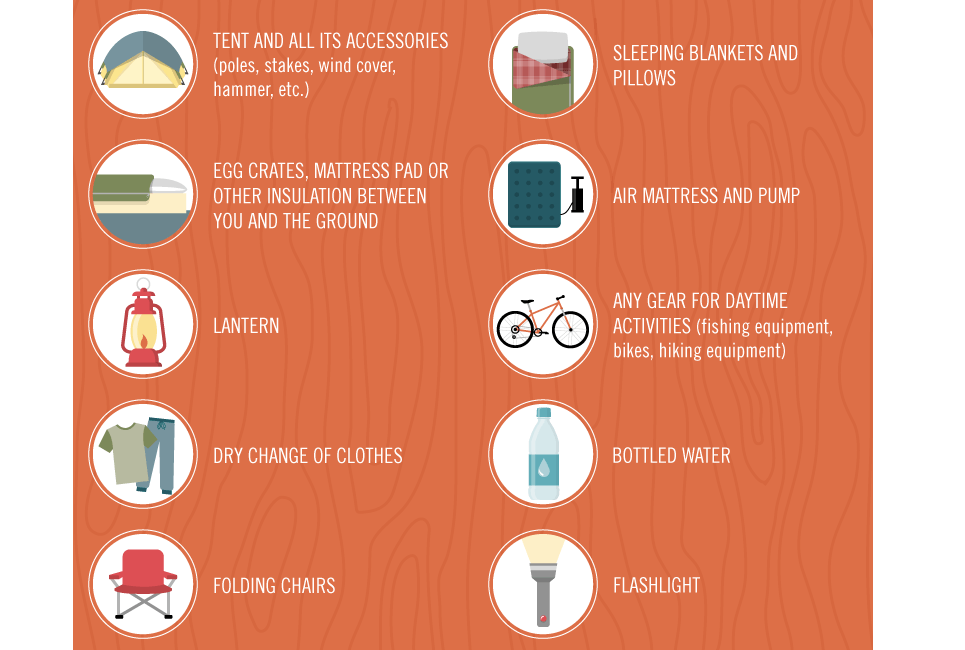
The very best means to do this is with a basic and economical layer: a reflective emergency situation blanket. This mirrors body convected heat back up in the direction of the camping tent owners. Just ensure to position it over a thick mattress pad or resting bag for maximum efficiency.
Event groups also select insulated subfloors for wintertime setups. These cut warmth transfer to the ground, making walking surface areas feel warmer, and decreasing power costs by restricting heater runtime. Heated floorings integrated with climate control better optimize efficiency by restricting condensation and temperature stratification. Modular plastic systems mount quickly, tolerate wetness, and offer a secure platform that's suitable for overlays like wood planks or carpets. Raised wood platforms supply a premium look, maintain the surface for security, and minimize trip risks from frost heave or soft spots.
The Base
The chilly ground is your outdoor tents's most significant opponent. It draws warmth from guests with transmission and draws moisture right into the outdoor tents envelope, dampening floors and reducing heating system run-time. A shielded floor breaks this cycle and raises the efficient R-value of your outdoor tents.
A well-designed flooring system starts with website analysis and drainage work to avoid flooding, frost heave, or soft dirt movement. Rated, compacted gravel pads and geotextile underlayers offer steady bases that sustain insulation layers and take care of water to reduce freeze/thaw danger.
Event concerns drive overlay and change choices-stained timber planks signal premium feel, for insulation instance, while carpeting runners soften sound and add slip resistance. A vapor barrier and insulated mats seal the space in between ground and outdoor tents to restrict condensation movement into the event envelope, safeguarding surfaces and structure from water damage. Sychronisation in between floor covering and home heating professionals reduces integration risk and improves logistics on demanding winter season sites. This likewise accelerates setup and makes certain safety and security.
The Wall surfaces
A straightforward ground tarpaulin acts as a non-negotiable structure, protecting camping tent floor surfaces from snow and frozen earth and blocking ground moisture that seeps into the interior. However, effective insulation demands a series of layers that all work together to quit warmth loss from the outdoor tents and catch it inside for heat that lasts.
Tactically put blankets and quilts offer a layer of warmth and additional convenience. Warm rocks safely heated up in campfires likewise help add an instant ruptured of heat, yet make certain to maintain them away from sleeping bags and tent fabric, as they can advertise condensation.
A shielded camping tent floor creates a thermal break between visitors and cool, hard-to-heat ground, substantially enhancing comfort and perceived warmth while lowering overhanging heating unit run time and fuel consumption. Integrating home heating alternatives with flooring choices needs validating compatibility for power or gas and a plan for risk-free directing of cable televisions and pipes.
The Ceiling
When placed over the camping tent footprint, reflective aluminum foil obstructs thermal convection by reflecting your body heat back to you. Foam extra padding likewise decreases thermal conductivity by blocking the ground from saturating your body heat and reflecting cool from the flooring back into the outdoor tents.
Warmed flooring systems offer a reliable R-value, boosting insulating worth in the important area where the flooring meets cool dirt. A warmer floor restrictions condensation and wetness migration right into the camping tent envelope, lowering operating expense by enabling heaters to run at lower setups.
Site preparation methods focus on getting rid of organic debris, producing a stable structure, and handling water to restrict saturation and freeze/thaw danger. Permeable crushed rock pads and geotextile fabrics permit water to drain promptly, minimizing the risk of damages to insulation and finishes.
Waterproof coatings shield the subfloor assembly from standing water, ice development, and tracked-in wetness that degrades insulation and causes material failing. Choosing the ideal flooring system depends upon event concerns, budget, and installation time: framed raised floors strengthen sturdiness, while carpeting runners supply versatility and slide resistance. A single specialist that coordinates floor covering and environment control enhances mount efficiency and minimizes combination threats.